
Skip to content
She Shines Again
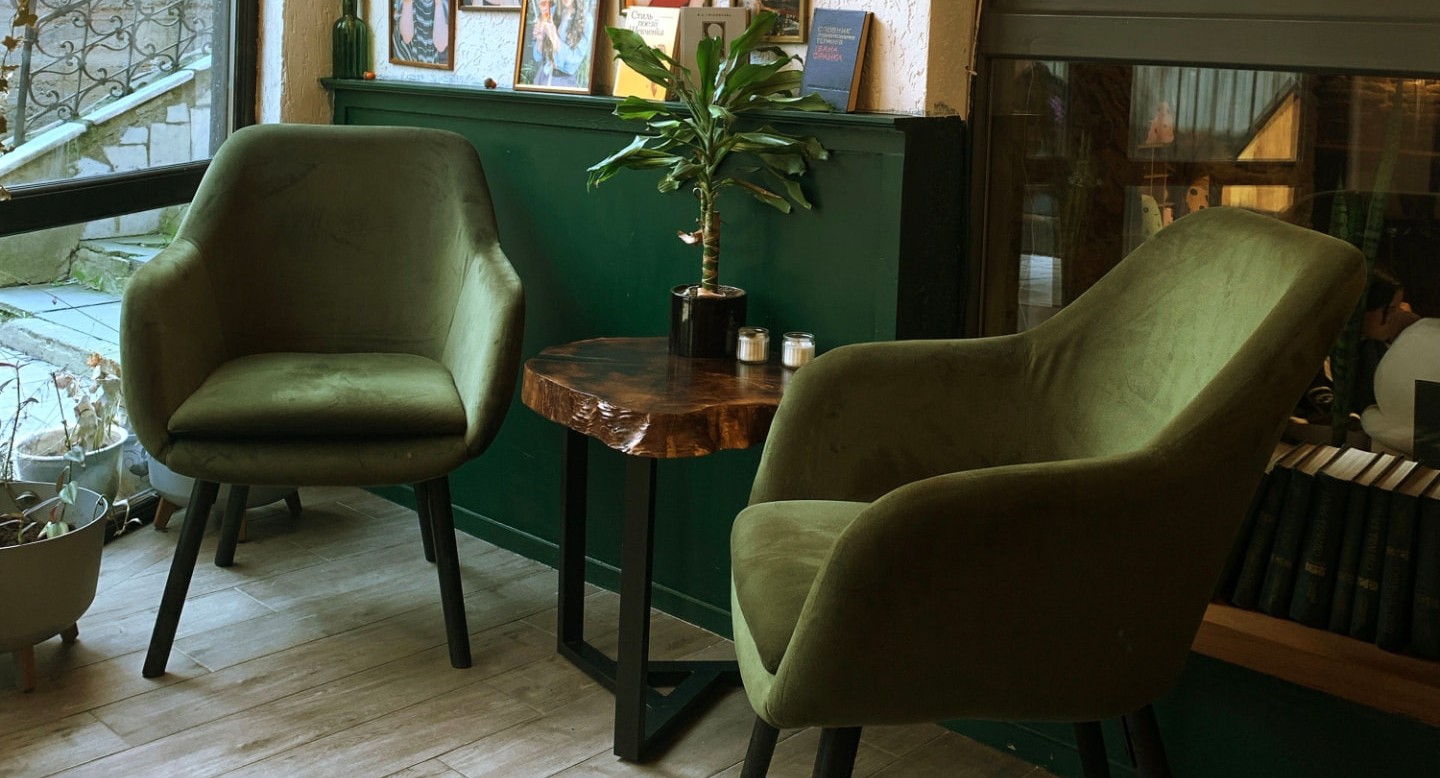
Two green armchairs and a wooden table with a plant in a quiet café corner

Are We a Fit?

Understanding the coaching relationship

Choosing someone to work with on something personal matters.

Especially if you've had experiences that have made it difficult to trust your judgement, feel heard or be comfortable being yourself.

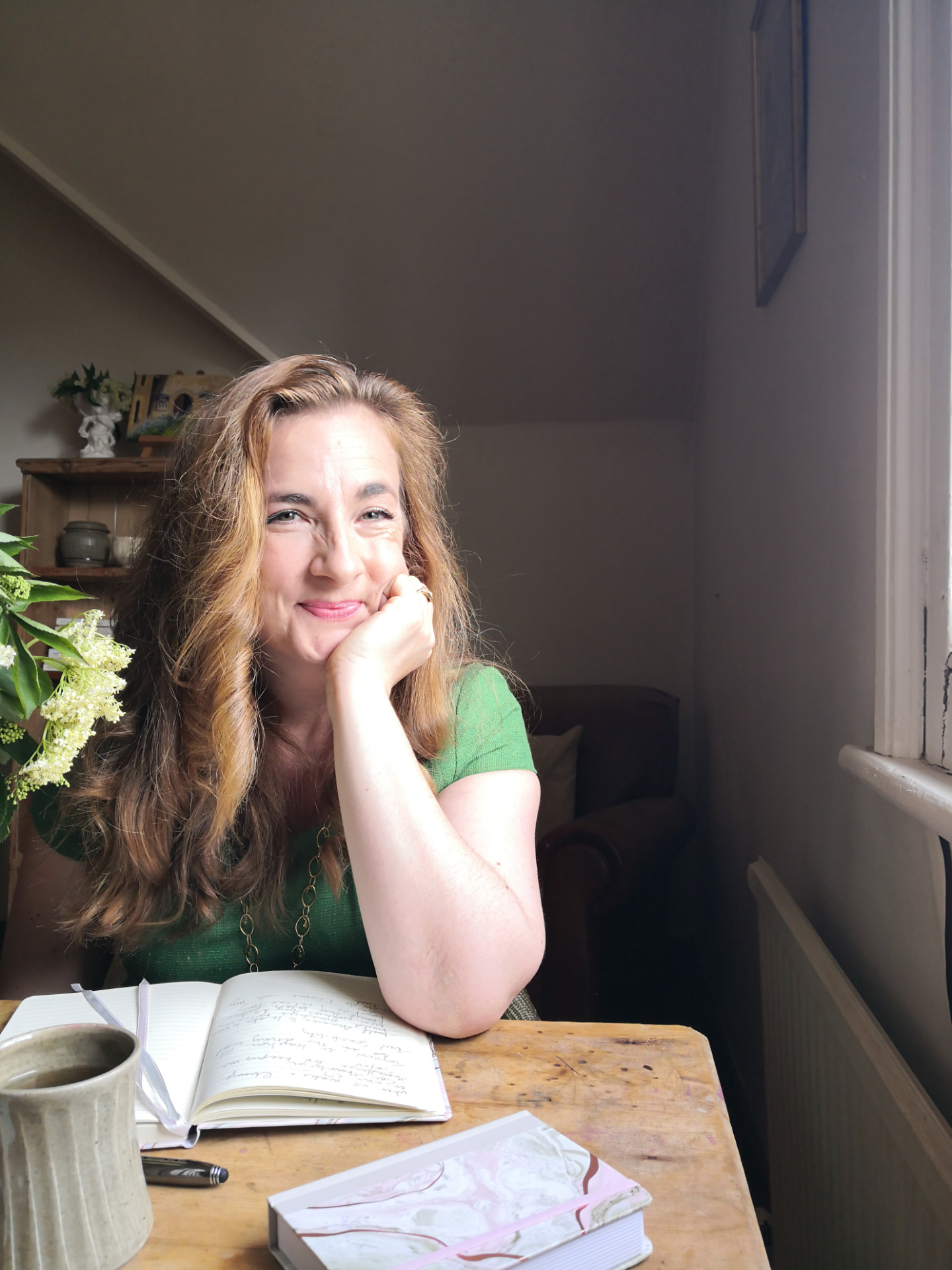
Natasha Wardle resting her chin on her hand, smiling, seated at a wooden desk with an open journal

We could work well together if…

  • You've left a workplace where you experienced bullying, bias, discrimination or mistreatment, and you're noticing that aspects of the experience still affect your confidence, decisions or willingness to put yourself forward.

  • You may be in a new job, developing a different career or building a business of your own.

  • You're capable and experienced, but some things feel harder or more costly than you'd like.

  • You're curious about yourself and willing to explore your responses with kindness and honesty.

  • You're open to experimenting with small practices between sessions and noticing what you learn.

  • You don't need to have a perfectly formed goal. It helps if there's something in your life that matters to you and that you'd like to approach differently.

  • And you're willing to give the work some time, rather than expecting an instant fix.

What you can expect from me.

I'll listen without judging your experiences or challenges.

I'll bring more than 12 years of coaching experience, along with the tools, approaches and perspectives I've developed through my professional and personal life.

We'll work as a partnership. I'll bring questions, observations and often a different perspective. You remain the expert on your own experience.

I'll respect your pace and your choices.

We may explore things that feel uncomfortable, but I won't treat overwhelm as evidence of progress.

I'll be honest with you, including when I think a different kind of support may be more appropriate.

And I'll work within clear professional and ethical boundaries.

What I'll ask of you

Bring yourself as you are.

That includes the parts that are curious and hopeful, and the parts that are uncertain, frightened, sceptical or tired.

You don't need to perform confidence with me.

I will invite you to notice your patterns, reflect on our conversations and try approaches that feel manageable in your everyday life.

Some experiments will be useful. Others may tell us that a different approach is needed.

We'll learn from both.

I will also ask you to take an active part in the coaching relationship, including being honest about what is and isn't working for you.

About making progress.

We'll identify something meaningful you'd like to work towards.

But whether you achieve that particular external outcome won't be the only measure of our work. We'll also pay attention to changes in how you experience yourself, approach challenges and support yourself along the way.

If you have questions about whether coaching is right for you, you might find the FAQs helpful.

Explore the FAQs

The first step is a conversation

You can tell me a little about where you are, what's difficult and what you'd like to feel more able to do.

I'll explain how I work and answer your questions.

We'll explore whether Freedom to Flourish feels like the right kind of support, at the right time.

There's no obligation to enrol.

Freedom to Flourish

Six one-to-one 75-minute sessions over 12 weeks.

Founding investment: £795

BOOK AN ‘ARE WE A FIT’ CONVERSATION → (opens booking page in a new tab)
‘You can’t change what happened, you can’t change what you did or what was done to you. But you can change how you live now. My precious, you can choose to be free’
Edith Eger, The Choice